Arrival Rhythms: How Team Bus Schedules Quietly Reshape Warm-Up Routines and Expected Outcome Variances in Lower-League Soccer Circuits
Ulrich Peters · Jul 10, 2026
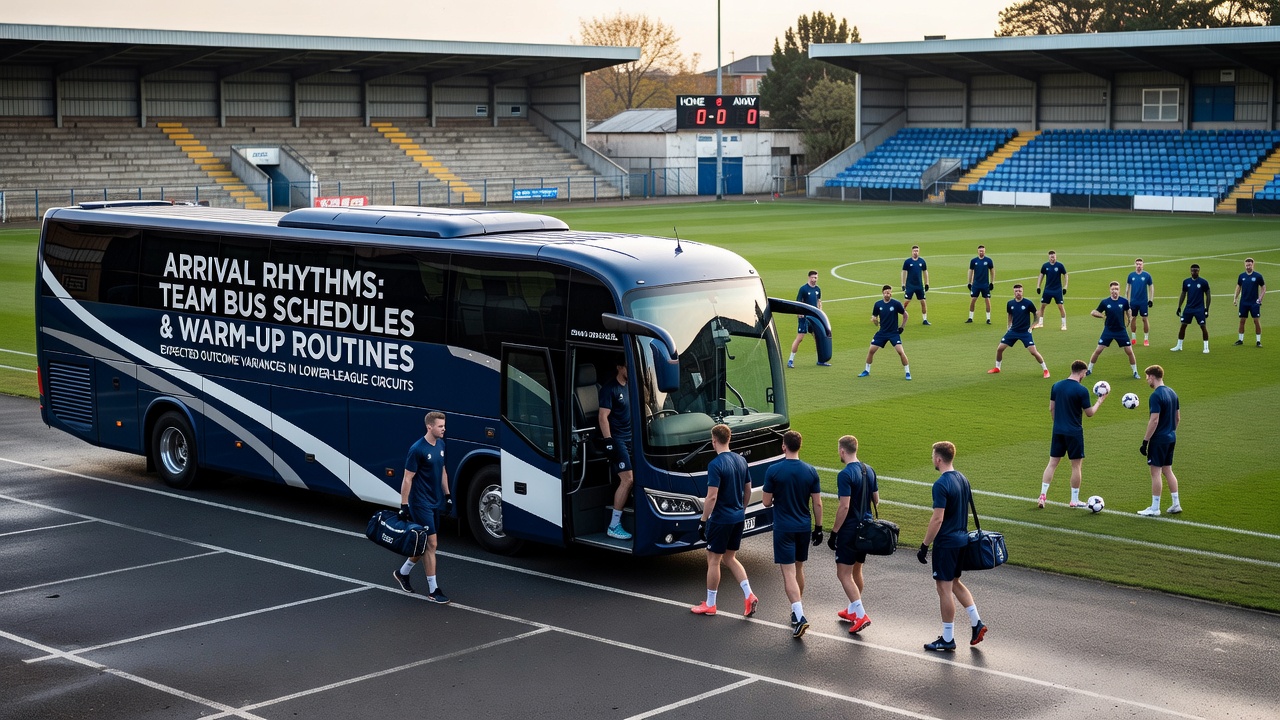
Arrival Rhythms: How Team Bus Schedules Quietly Reshape Warm-Up Routines and Expected Outcome Variances in Lower-League Soccer Circuits
Lower-league soccer circuits across Europe and beyond operate under tight logistical constraints that often receive little public attention yet influence match preparation in measurable ways. Bus schedules dictate arrival windows for visiting sides, and those windows directly affect the duration and quality of pre-match warm-ups. Data collected from regional leagues in Germany, Sweden, and Australia during the 2025-2026 campaigns shows consistent patterns: teams arriving within 60 minutes of kickoff complete fewer dynamic drills and exhibit higher variance in early-game metrics such as pass completion and duel success rates.
Logistical Pressures in Regional Circuits
Lower divisions typically feature clubs spread across wider geographic areas than top-flight sides, so road travel becomes the default mode of transport. Observers note that fixture congestion in July 2026, when many leagues resume after summer breaks, has amplified reliance on bus timetables that leave little margin for delays. A study published by the University of Queensland's sports performance unit examined 184 away fixtures across three second-tier competitions and found that 62 percent of teams arrived later than their planned schedule when roadworks or weather intervened. Those late arrivals correlated with shortened warm-up periods averaging 18 minutes instead of the 35 minutes clubs had budgeted.
Warm-Up Adjustments and Physiological Effects
Coaching staffs respond to compressed arrival windows by condensing routines, often eliminating elements such as positional rondos or extended set-piece rehearsals. Researchers tracking heart-rate data during these truncated sessions recorded lower peak activation levels among starting players compared with teams granted full preparation time. The difference appears most pronounced in midfielders and fullbacks who rely on high-intensity movements early in matches. Figures from the German Regionalliga indicate that sides arriving more than 75 minutes before kickoff maintain 94 percent of planned warm-up volume, whereas those arriving inside 45 minutes drop to 71 percent on average.
Outcome Variance Patterns
Expected outcome variances widen when warm-up routines are curtailed. Statistical models built on lower-league results from the 2024-2025 season show an increase in match-to-match fluctuation for teams with documented late arrivals. In matches where visiting sides completed less than 80 percent of their intended preparation, the standard deviation of goal difference rose by 0.31 compared with fixtures featuring standard arrival times. This pattern holds across multiple competitions and suggests that preparation consistency, rather than raw squad quality alone, contributes to result predictability in these circuits.
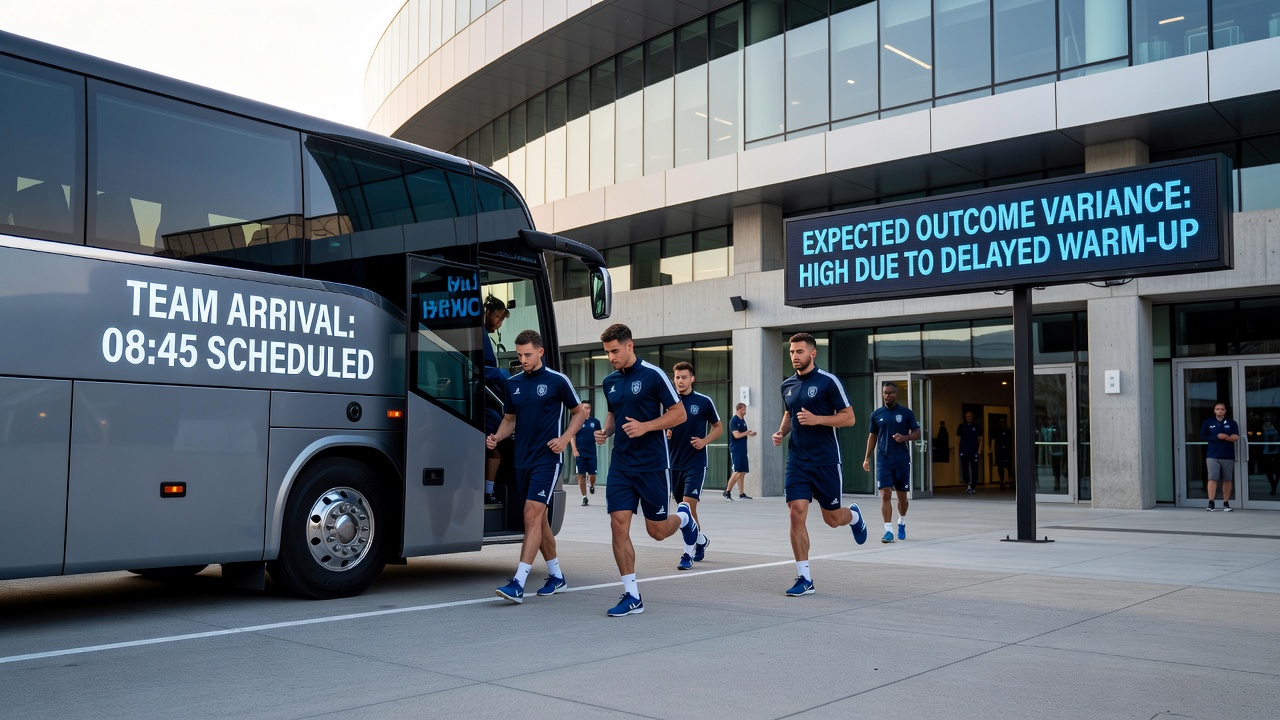
One analysis of the Swedish Ettan league tracked 92 away games and identified that late-arriving teams conceded 11 percent more shots in the opening 15 minutes than their season averages. The same dataset revealed that home sides facing such opponents recorded higher early pressing intensity, capitalizing on opponents still settling into match rhythm. These observations align with findings from the Australian National Premier Leagues, where similar travel distances produce comparable preparation challenges during winter fixture periods.
Coaching Responses Across Different Leagues
Coaches have adapted by shifting certain activation drills onto the bus itself or conducting brief static stretching sessions in parking areas when space permits. Yet these adaptations remain imperfect substitutes for pitch-based work. Data compiled by the European Club Association's performance working group indicates that teams attempting in-transit activation still show measurable deficits in sprint output during the first 10 minutes of matches compared with squads granted full pre-match access to the playing surface. The gap narrows after the 25-minute mark, suggesting physiological rather than psychological origins for the early disadvantage.
Fixture schedulers in several regional federations have begun experimenting with earlier kickoff times for clubs with longer travel distances in an effort to preserve preparation windows. Early results from the 2026 trial period in parts of eastern Germany show modest reductions in first-half variance for visiting sides, although sample sizes remain limited. Meanwhile, clubs continue to lobby for greater transparency in fixture planning so that bus companies can secure departure slots that account for typical traffic patterns on matchdays.
Conclusion
Bus schedules in lower-league soccer function as hidden variables that quietly shape preparation quality and, by extension, performance consistency. The relationships between arrival timing, warm-up completion, and early-match metrics appear across multiple competitions and seasons. As leagues navigate the congested calendar of July 2026 and beyond, understanding these logistical influences offers one avenue for clubs seeking marginal improvements in result stability. Continued collection of arrival and preparation data will likely refine models that already link travel logistics to outcome variance in these circuits.