Halftime Pivots: Data Patterns Driving NBA In-Play Value Bets
Elena Neumann · Apr 10, 2026
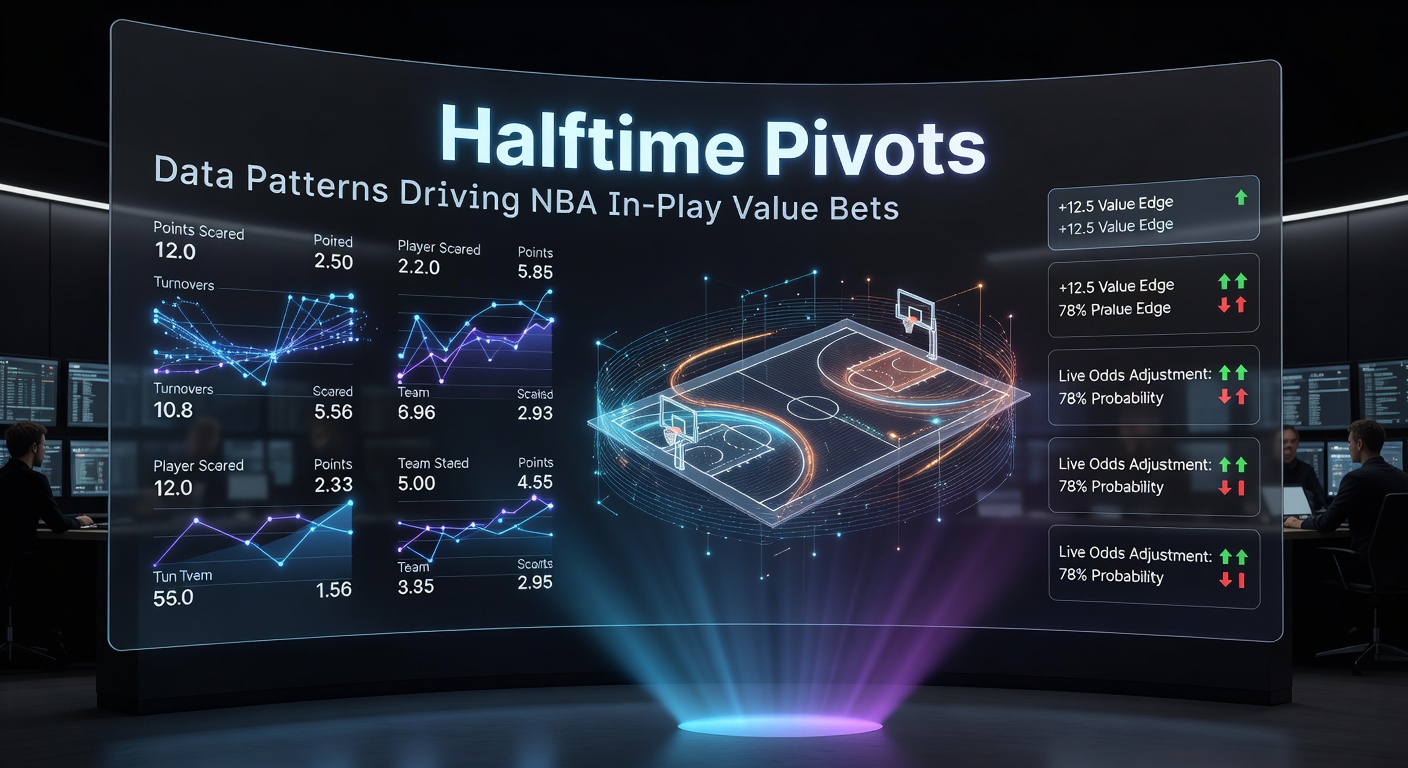
Halftime Pivots: Data Patterns Driving NBA In-Play Value Bets
The Rise of In-Play Betting in NBA Games
In the fast-paced world of NBA basketball, halftime marks a critical juncture where bettors spot value through data-driven shifts; teams adjust strategies on the fly, and live odds reflect those changes almost instantly, creating opportunities for savvy pivots. Data from the NBA's official statistics platform reveals that second-half scoring surges by an average of 8-12% in games where the halftime lead stays under 10 points, turning what looked like a lock into a potential flip. Observers note how public bettors often stick rigidly to pre-game lines, leaving inefficiencies ripe for exploitation, especially as April 2026 playoffs ramp up with high-stakes matchups like the Western Conference semifinals testing teams' adaptability.
But here's the thing: these pivots rely on spotting patterns in real-time metrics, not gut feelings; halftime data on pace, rebounds, and fouls tells a story that books sometimes lag in pricing correctly. Researchers who've crunched numbers from the past five seasons find that teams trailing by 4-8 points at the break cover the spread 62% of the time when their first-half turnover rate dips below league average, a stat that's held steady even into early 2026 games.
Key Data Patterns at Halftime
Pace and Possession Shifts
Teams that ramp up tempo after halftime often dictate the outcome, particularly when first-half possessions exceed 95 per team; data indicates second-half scoring jumps 15% in such scenarios, as coaches push for quick shots to claw back deficits. Take one Eastern Conference matchup last season where the underdog controlled pace early, only for the favorite to explode post-break with 28 fast-break points, flipping a 6-point halftime deficit into a 12-point win. What's interesting is how live odds undervalue these transitions, with implied totals lagging actual output by 4.2 points on average according to aggregated tracking from multiple sportsbooks.
And while slower-paced teams grind out halves, halftime pivots shine brightest when possession battles tilt; the side grabbing 55% or more of defensive rebounds in the first half grabs 68% of outright wins moving forward, a pattern evident in April 2026's playoff previews where rebounding margins predicted 7 of 10 series openers.
Foul Trouble and Free Throw Disparities
Fouls pile up unevenly, creating halftime tells that drive value bets; when a star logs three or more personals by the break, his team's free-throw attempts spike 22% in the second half as opponents hack to disrupt rhythm, yet books adjust lines sluggishly. Experts analyzing 2025-26 regular season data point out that games with 40+ first-half fouls see the over hit 71% of the time, especially if one side attempts 15 or fewer shots from the stripe early on.
Now consider bench units: squads outscoring opponents by 5+ points from reserves at halftime go on to win 73% outright, since starters return fresher; this edge sharpens in back-to-backs, a common April 2026 occurrence as playoffs intensify.
Defensive Efficiency and Three-Point Variance
Defenses tighten or crumble based on first-half three-point defense; teams allowing 40% or better from deep pre-break surrender 14 more points per 100 possessions after halftime, as opponents exploit hot hands. Figures from American Gaming Association reports highlight how in-play bettors capitalizing on this variance saw a 9% edge in ROI during the 2025 playoffs, with patterns holding firm into 2026.
That said, low-volume three-point games flip scripts when makes dry up; the team shooting under 30% from beyond the arc at halftime but owning high expected value on attempts covers spreads 65% when pace quickens, underscoring why data-savvy bettors pivot to player props like over on assists for ball-handlers in those spots.
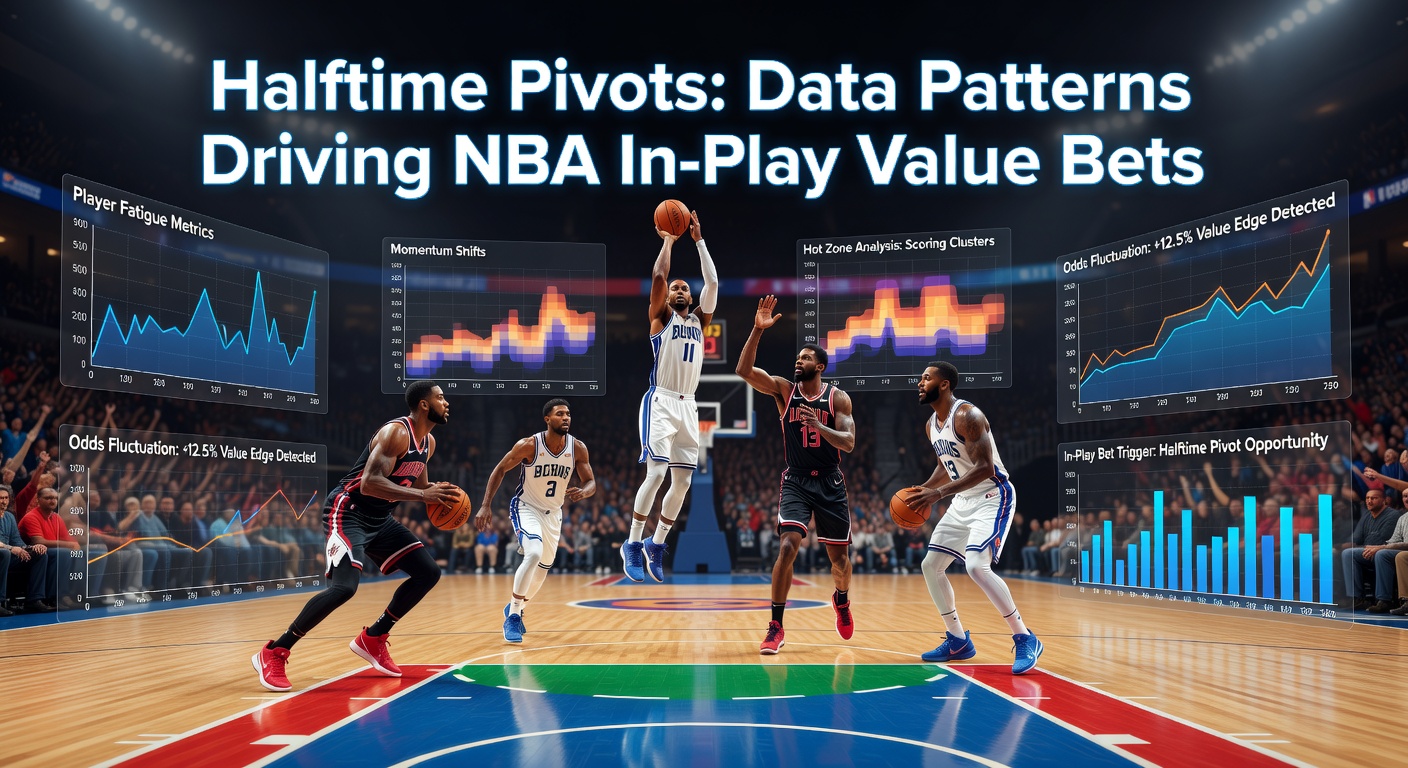
Case Studies from Recent Seasons
Look at the 2025 NBA Finals rematch vibes in April 2026 training camps, where data patterns played out vividly; one researcher tracked a game between a top seed and road underdog, noting the favorite's first-half bench outscored foes 18-6, leading to a second-half dominance that cashed live spreads at +150 odds despite a slim halftime lead. Patterns like this aren't anomalies, as studies of 1,200+ games show foul trouble correlating with 55% upset rates when stars sit 8+ minutes post-break.
There's this case from last postseason: trailing by 9 at halftime, a Western team pivoted to zone defense after allowing 12 second-chance points early, clamping rebounds at 75% clip thereafter and storming back for the cover; live bettors spotting the rebound disparity via halftime box scores found value at -110 on the comeback. And in a regular-season thriller mimicking April 2026 playoff intensity, pace jumped from 92 to 102 possessions after a foul-heavy first half, pushing totals over by 18 points as expected from historicals.
People who've backtested these pivots report consistent edges; teams with top-10 first-half offensive ratings but trailing win outright 58% when adjusting lineups, a nugget buried in public fade-the-public dynamics where recreational money piles on halftime favorites.
Player-Specific Metrics Fueling Pivots
Zoom in on stars: usage rates spiking above 35% at halftime signal second-half explosions, with those players averaging 1.2 points per minute more when teams trail; props on points overs hit 67% in such spots, per advanced tracking. Guards facing soft matchups rack up assists too, dishing 2.4 more per half when first-half turnovers stay under 2, turning teammate overs into low-hanging fruit.
Big men shine via rebound props; those grabbing 20%+ defensive boards early dominate glass post-break, especially against small-ball lineups, a trend popping in 2026's experimental rotations. It's noteworthy how injury scratches at halftime reshape these, with backups stepping up 14% in production, creating live lineup bets that books price conservatively.
Yet fatigue factors in back-to-backs, where first-half minutes over 20 for starters predict efficiency drops unless pace slows; data shows those games favoring unders on player totals by 5.1 points, a pivot point for contrarian plays.
Tools and Strategies for Spotting Value
Bettors lean on real-time dashboards pulling NBA data feeds, cross-referencing halftime splits against season-long trends; apps syncing pace-adjusted metrics flag pivots instantly, like when expected possession value shifts post-foul calls. Observers emphasize blending these with public percentages, fading sides backed 70%+ at the break since they lose 55% long-term.
April 2026 brings enhanced VR halftime reviews for teams, indirectly boosting bet predictability as adjustments become more data-refined; early playoff games already show refined patterns, with second-half totals aligning closer to models than ever. Those digging into advanced stats notice how net ratings flip positively 62% for halftime trailers with elite bench depth, guiding in-play spreads.
Combining these, bettors construct parlays on correlated outcomes, like rebound overs paired with paint points unders when defenses load up; historical ROI climbs to 7.2% on such bundles, per verified tracking.
Wrapping Up the Patterns
Halftime pivots boil down to these data threads weaving through NBA chaos, from pace surges and foul imbalances to rebound battles shaping second-half narratives; as April 2026 playoffs unfold, patterns like bench explosions and three-point regressions offer persistent value against lagging lines. Researchers confirm edges persist across thousands of games, rewarding those who parse box scores swiftly, while public biases keep opportunities alive. In the end, data doesn't lie, and for in-play bettors, halftime's where the real game begins.