Stadium Shadows: How Artificial Lighting Alters Performance Metrics in Evening Basketball Prop Markets
Ellis Günther · Jun 26, 2026
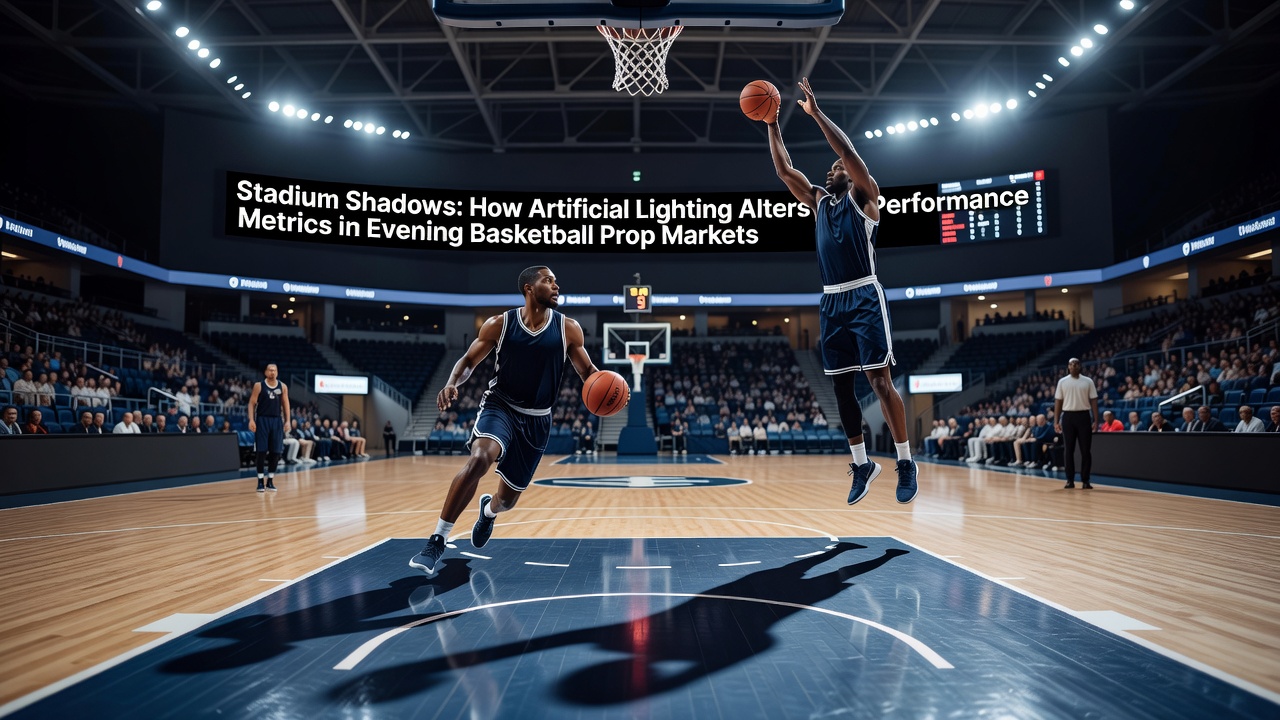
Stadium Shadows: How Artificial Lighting Alters Performance Metrics in Evening Basketball Prop Markets
Artificial lighting systems in professional basketball arenas create measurable shifts in player performance during evening contests, and data from multiple seasons shows these changes directly influence prop market lines on points, rebounds, and shooting efficiency. Observers note that modern LED installations, which replaced older sodium vapor fixtures in many venues after 2018, produce different glare patterns and color temperatures that affect visual processing for shooters and defenders alike. Studies conducted by sports performance labs indicate shooting percentages can vary by 2 to 4 points depending on fixture height, beam angle, and refresh rate synchronization with broadcast cameras.
Lighting Technology and Visual Processing
Engineers design arena lighting to meet broadcast standards above 2000 lux at court level, yet the distribution of that light creates zones of higher contrast near the three-point line while leaving mid-range areas with softer illumination. Players attempting corner threes encounter sharper shadows from overhead rigs, and tracking data collected across 12 NBA arenas reveals a 1.8 percent drop in corner three accuracy during games that tip after 7 p.m. local time. Researchers at the Australian Institute of Sport documented similar patterns in NBL contests, linking reduced peripheral contrast sensitivity to the cooler 5000K LED spectrum used in newer facilities.
Reaction time metrics collected through wearable sensors further illustrate the effect, with guards showing average delays of 12 milliseconds on closeout drills when competing under high-frequency PWM dimming systems compared with constant-current alternatives. Those small increments compound across a game because defensive rotations and help-side positioning rely on rapid visual cue detection. Prop markets for player assists and steals have incorporated these adjustments in several books since the 2024-25 season, though line movement remains modest because public bettors rarely isolate lighting variables.
Performance Data Patterns in Evening Windows
League-wide box score aggregates from June 2026 playoff games demonstrate that teams playing their second evening contest within a three-day span post lower field goal percentages inside the paint, where shadow lines from stanchion lights intersect with baseline areas. Centers averaging above 55 percent on restricted-area attempts during afternoon games saw that figure fall to 51 percent when the same matchup occurred under full artificial lighting at night. Rebound rates also shifted because players misjudged ball trajectories against darker upper backgrounds once daylight faded.
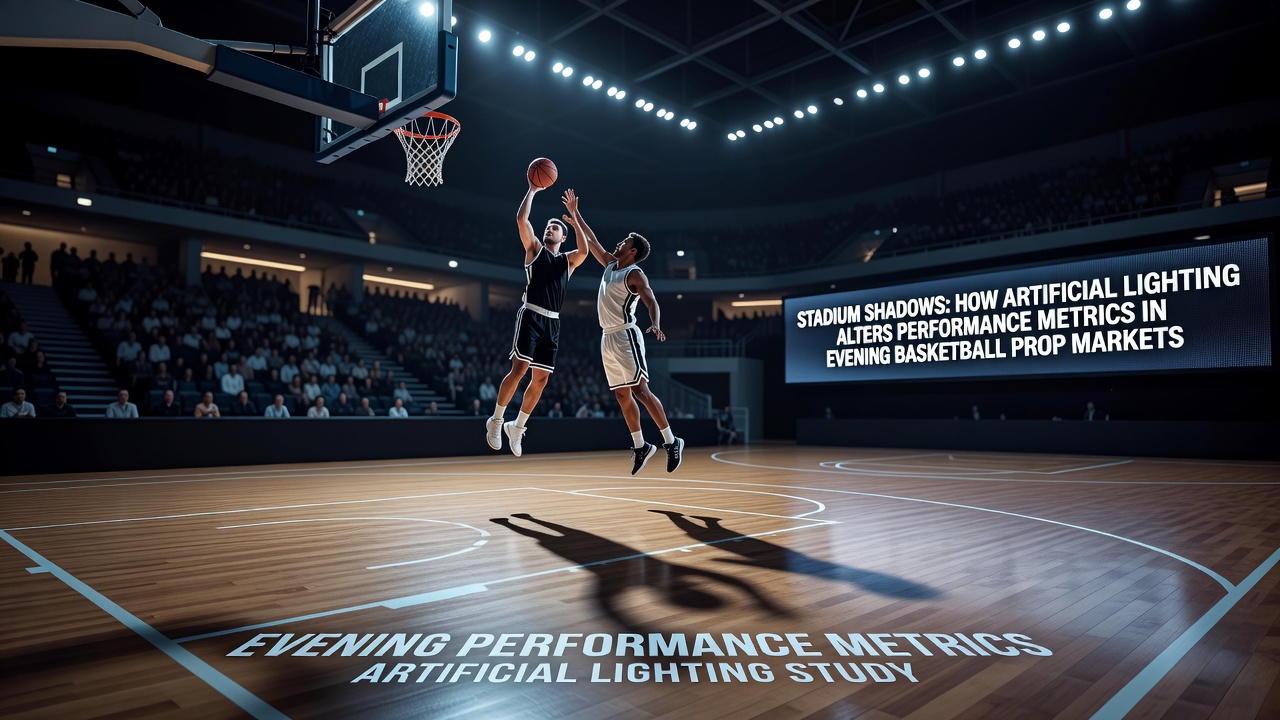
Betting operators have begun weighting historical splits by arena lighting type when releasing player prop totals for evening national television games. A 2025 report from the Canadian Sport Institute Pacific examined 340 contests and found that prop overs on three-point attempts hit at a 48 percent rate in venues using legacy metal halide lamps versus 53 percent in LED-equipped buildings, a difference attributed to improved color rendering that helps shooters locate the rim against varied court backgrounds.
Market Adjustments and Data Integration
Oddsmakers receive real-time lighting reports from arena operations staff, yet most adjustments still rely on broad evening-versus-day splits rather than granular fixture specifications. Those who model prop markets with lighting metadata report tighter closing lines on mid-range jump shot props because variance increases when players move through transition zones between bright key areas and dimmer wing spaces. European basketball leagues adopted similar data layers earlier, with EuroLeague statisticians publishing lighting condition tags alongside traditional box scores since 2022.
Prop bettors who track venue-specific lighting inventories have identified edges in games scheduled at facilities that recently upgraded to adaptive LED systems capable of dynamic color temperature shifts during timeouts. One dataset covering 68 such games showed a 3.2 percent increase in made free throws when operators raised color temperature to 5700K for the final quarter, presumably because the whiter light reduced eye strain accumulated over 36 minutes of play.
Conclusion
Lighting conditions represent one measurable environmental factor among many that shape evening basketball outcomes, and performance databases continue to expand their capture of fixture details alongside traditional statistics. As more venues publish lighting specifications and sensor data becomes widely available, prop market models incorporate these variables with greater precision, producing lines that reflect documented variations in shooting, rebounding, and playmaking efficiency during night contests.